The American entertainment industry has always evolved in step with technology. From the invention of radio and television to the streaming revolution, every leap forward in tech has reshaped how people consume content.
Today, a new wave of innovations is redefining what entertainment means, how it’s delivered, and how audiences engage with it. Be it streaming a blockbuster on demand, competing in immersive online games, or enjoying personalised music playlists, technology is weaving deeper connections between creators and consumers than ever before.
Streaming Platforms Leading the Charge
In the past decade, streaming services have overtaken traditional broadcast and cable television as the primary way many Americans watch shows and movies. Platforms like Netflix, Hulu, Disney+, and Max have revolutionised not just content delivery, but content creation itself.
High-speed broadband, 5G mobile connectivity, and adaptive streaming technology have made it possible to watch HD or 4K videos on any device without the constant buffering that plagued early online video. Streaming technology now integrates AI-driven recommendation systems, which help viewers discover new favorites based on their preferences.
On the production side, real-time analytics allow platforms to gauge which shows perform well, influencing renewal decisions and even guiding creative direction. This feedback loop has shortened the distance between audience demand and content supply, making entertainment more responsive and diverse.
The Rise of Immersive Online Gaming
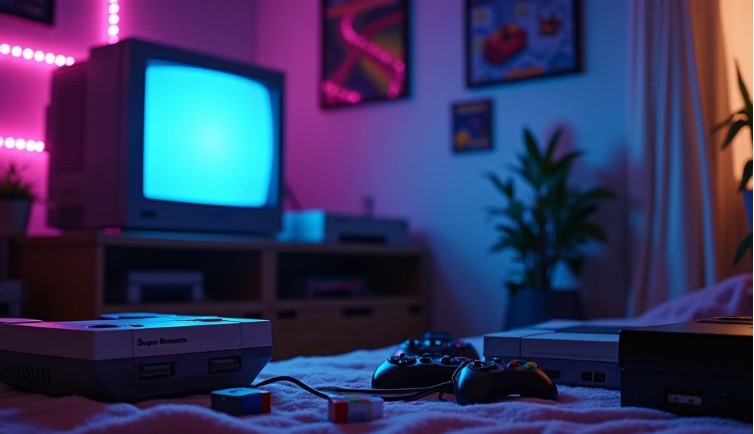
If streaming has transformed passive consumption, online gaming has redefined interactive entertainment. Once considered a niche hobby, gaming has evolved into one of America’s most significant entertainment sectors, generating billions in revenue annually. The rise of online games—spanning everything from battle royale shooters to collaborative building worlds—has been fueled by several tech trends.
Games such as Fortnite, Call of Duty: Warzone, and Minecraft allow players on different devices to play together in real time. This has blurred the lines between platforms, fostering massive player communities and making the social aspect of gaming stronger than ever. Gaming is no longer just about playing—it’s also about watching.
Platforms like Twitch and YouTube Gaming have turned skilled players into online celebrities, and esports tournaments fill arenas and attract millions of online viewers. This blend of gaming, social media, and live streaming has turned online gaming into both a participatory and spectator sport. In short, online gaming isn’t just a form of entertainment—it’s a culture powered by technology, where innovation in hardware, connectivity, and community tools drives engagement.
The Growth of Online Casinos and Virtual Betting
Alongside video games, another digital entertainment sector gaining momentum in the U.S. is online casinos and virtual betting platforms. What was once confined to physical gaming floors in Las Vegas or Atlantic City has expanded into easily accessible, regulated online spaces—available on smartphones, tablets, and PCs.
States like Pennsylvania, New Jersey, and Michigan, among others, are pioneers in legal online casino games. They created gaming markets that serve both local and out-of-state players where permitted.
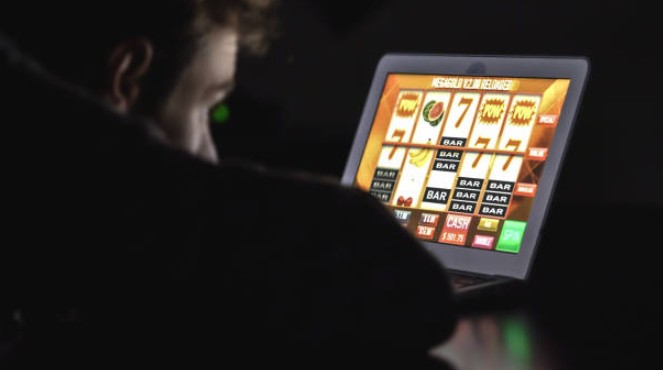
Thanks to secure payment gateways, mobile app integration, and 24/7 availability, players can enjoy casino favorites like poker, blackjack, roulette, and slots without leaving home. This accessibility has been a key driver for growth, especially as more states gradually legalise and regulate online gambling.
One of the most significant innovations in the online casino world is the integration of live dealer games. Using high-definition video streaming, professional dealers operate real casino tables in studios, while players join in virtually. This blends the social atmosphere of a physical casino with the convenience of digital play.
Social Media as Entertainment Hubs
Social platforms are no longer just spaces for status updates and photo sharing—they’ve become primary entertainment destinations. TikTok, Instagram Reels, and YouTube Shorts have popularised short-form, algorithm-driven content that can go viral overnight. The ability for anyone to create and publish videos has democratised entertainment, giving rise to influencers, micro-celebrities, and niche communities.
Live streaming features on platforms like Instagram Live, Facebook Live, and Twitch further blur the lines between content creation and consumption. Real-time audience interaction fosters a sense of connection and authenticity that traditional entertainment formats can’t match.
The Expansion of Virtual and Hybrid Events
The COVID-19 pandemic accelerated the adoption of virtual events, from concerts and film festivals to fan conventions. Now, hybrid formats—combining in-person attendance with virtual participation—are here to stay. Platforms like Zoom, Discord, and specialised event apps have enabled people to experience entertainment without geographical limitations.
Artists like Travis Scott and Ariana Grande have hosted virtual concerts inside popular games like Fortnite, merging music and gaming into shared, immersive spectacles. Film premieres, Q&A sessions, and even theater performances are being streamed globally, giving fans unprecedented access.
Subscription Models and Digital Ownership
The shift from ownership to access has been one of the defining economic trends in online entertainment. Subscriptions for streaming platforms, gaming services, and even audiobook libraries have replaced buying physical copies. Meanwhile, blockchain technology and NFTs have introduced new models for digital ownership—allowing collectors to own verifiable digital art, music, or in-game items.
While NFT hype has cooled from its peak, the underlying tech still holds potential for secure, transferable digital goods, especially in gaming and virtual worlds.
Final Thoughts
America’s online entertainment industry is thriving because it embraces change. Streaming platforms deliver cinematic experiences to living rooms and phones; online gaming connects millions in shared digital worlds.
In this dynamic landscape, technology isn’t just a tool—it’s the stage, the script, and sometimes even the performer. As innovations continue to shape the way entertainment is created and consumed, audiences can expect an even richer, more interactive, and more personalised experience in the years to come.